
English Training for IT Teams: How Companies Fix Communication Bottlenecks
IT teams don’t struggle with English grammar — they struggle with clarity. Learn how companies fix communication bottlenecks and improve delivery speed.
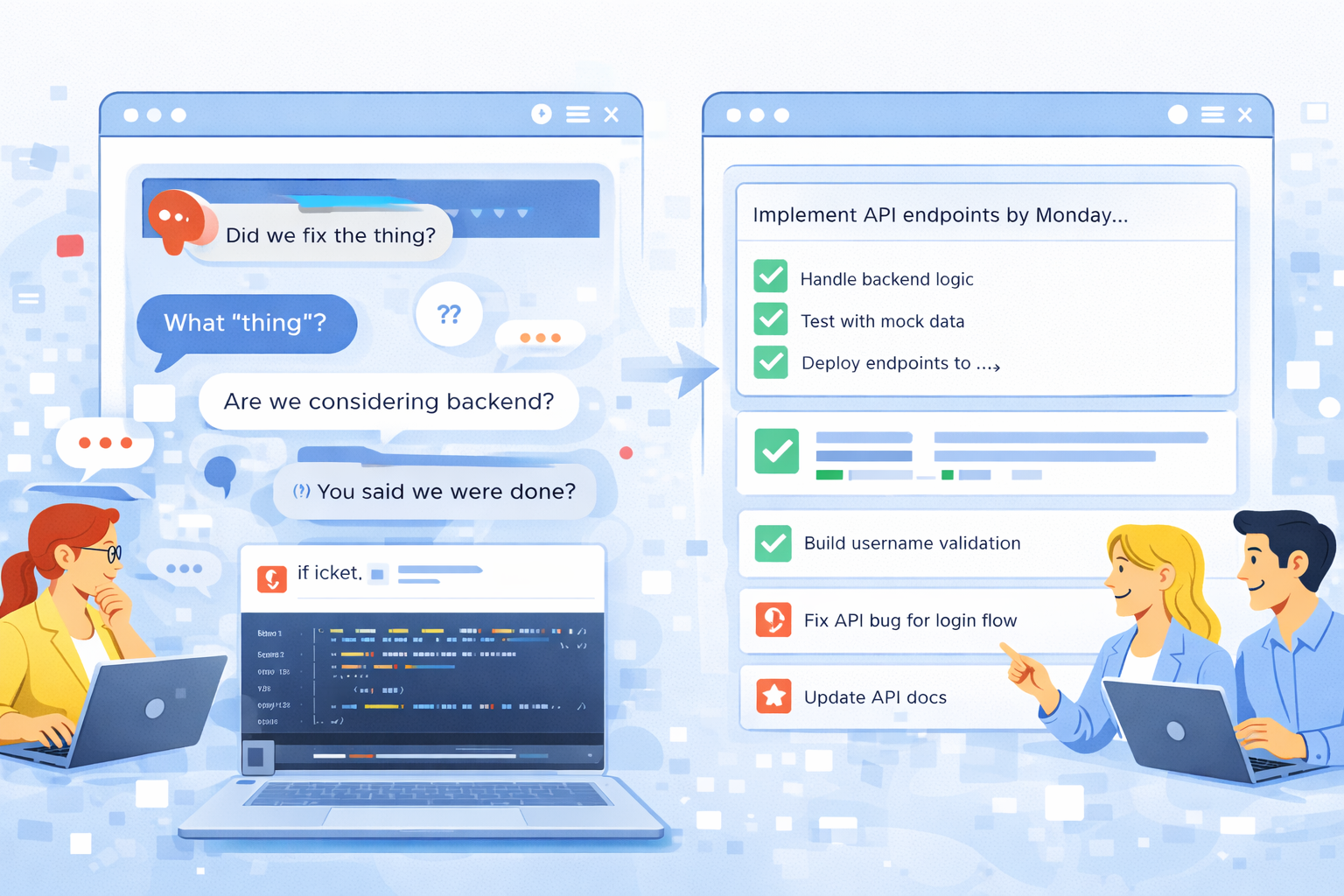
Why English Becomes a Bottleneck in IT Teams
Most IT teams don’t struggle with English grammar.
They struggle with clarity.
Specs are written in English. Tickets are discussed in English. Async decisions happen in English.
And yet:
requirements are misunderstood
tasks are implemented differently than expected
engineers ask the same clarifying questions again and again
This is where English quietly turns into a productivity issue — not because people lack knowledge, but because communication isn’t aligned Corporate English Training: How Companies Increase Team Productivity by 20–30% | corporate English training for teams.
Why IT Teams Are Especially Vulnerable to Communication Issues
IT communication has a few unique traits:
it’s mostly written
it’s async by default
it’s highly contextual
small wording differences can change outcomes
In international IT teams, English becomes the shared layer on top of:
different native languages
different engineering cultures
different levels of confidence
Classic Business English courses rarely address this reality: Business English vs Corporate English: What’s the Real Difference? | business English vs corporate English.
The Most Common Communication Challenges in IT Teams
1. Unclear Task Descriptions
Tickets and specs often:
lack clear ownership
mix requirements with assumptions
don’t define “done”
The result is not bad engineering — it’s rework.
2. Endless Clarification Loops
Slack threads grow longer than the task itself.
Questions like:
“What exactly do you mean here?”
“Should we handle this case?”
“Is this part of the scope?”
These loops cost hours every week.
3. Weak Async Communication
Many developers are strong speakers but struggle with:
structured written updates
documenting decisions
explaining trade-offs
In distributed teams, this slows everything down.
4. Meetings Without Clear Outcomes
Meetings happen. Decisions don’t.
Often because:
key points aren’t summarized clearly
action items aren’t stated explicitly
follow-ups are vague
This is a language and structure problem, not a technical one.
Why Traditional English Training Doesn’t Work for IT Teams
Most English courses focus on:
speaking practice
general business vocabulary
presentations
IT teams need something else:
writing clarity
precision
predictable structures
This mismatch is why companies start looking beyond generic courses when training developers How Companies Train International Teams in English | training international teams in English.
How Effective Companies Train IT Teams in English
Successful companies don’t try to “teach developers English”.
They focus on how developers communicate.
Training usually covers:
writing clear task descriptions
framing questions properly
documenting decisions and trade-offs
structuring async updates
clarifying ownership and next steps
The goal is not fluency. The goal is fewer misunderstandings.
A Practical Example from Product Teams
In one international product team, managers noticed that:
specs were often reinterpreted by developers
follow-up questions delayed implementation
deadlines slipped for non-technical reasons
After introducing English training focused on:
requirement framing
clarification patterns
written summaries
the number of clarification messages dropped significantly within two months.
Same engineers. Same skills. Clearer communication.
Why Platforms Matter for IT Team Training
IT teams scale fast. Training needs to scale with them.
Platforms make it possible to:
onboard new engineers quickly
assign role-specific modules
keep communication standards consistent
track adoption without micromanagement
This is why many companies move IT English training into a platform: Why Companies Need a Corporate English Training Platform | corporate English training platform
How Companies Measure Success in IT English Training
Effective teams don’t measure success by test scores.
They look at:
fewer clarification loops
faster ticket resolution
clearer specs and documentation
shorter meetings
smoother async collaboration
When English training works, it shows up in delivery speed.
When English Training Won’t Fix the Problem
Let’s be honest.
English training will not fix:
poor product management
unclear priorities
broken processes
But when processes exist, clear English removes friction and amplifies them.
This is why English training for IT teams works best as part of a broader corporate approach: Corporate English Training: How Companies Increase Team Productivity by 20–30% | system-level approach to English training
How to Decide If Your IT Team Needs English Training
Ask these questions:
Do developers ask the same clarification questions repeatedly?
Do specs require constant follow-ups?
Are async discussions longer than necessary?
Do international team members hesitate to contribute?
If yes, the issue is not technical skill — it’s communication.
FAQ: English Training for IT Teams
Should developers and managers train together? Usually no. Their communication tasks are different.
What if English levels vary widely? This is common. Shared standards matter more than equal fluency.
How long before we see results? Most teams notice improvements within 1–3 months when training is practical and role-based.
Can this work for fully remote teams? Yes. Remote IT teams benefit the most from structured communication practices.
Final Thoughts
IT teams don’t need perfect English.
They need clear, structured, and predictable communication.
Companies that train English as part of how engineering work is done — not as a generic skill — ship faster, waste less time, and scale with fewer bottlenecks.
Author’s note
This article is based on our experience working with international IT and product teams, focusing on written communication, async collaboration, and delivery speed.